
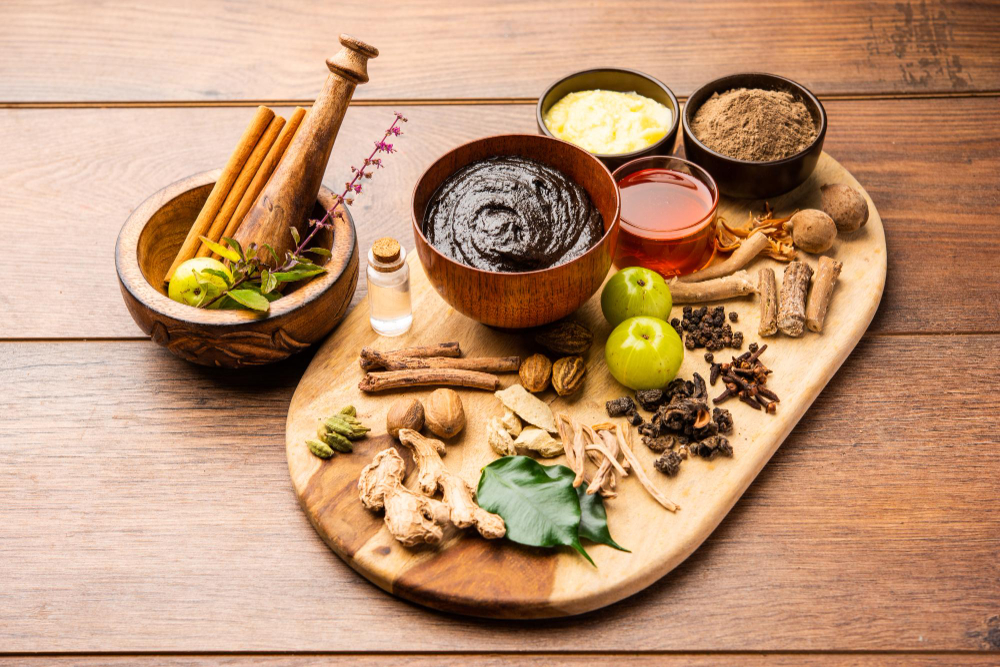
Piles, also called hemorrhoids, can cause pain and discomfort. Many people look for gentle, natural ways to manage this problem. Ayurveda for piles offers herbal remedies, lifestyle tips, and diet changes to help ease symptoms. In this blog, you will learn about Ayurvedic treatment for piles, natural remedies for hemorrhoids, and how to prevent piles with simple steps. If you want a herbal piles cure or a natural piles treatment, Ayurveda may help.
What Are Piles?
Piles are swollen veins in the lower part of the rectum or anus. Sometimes, these veins become inflamed and cause pain, itching, or bleeding. Piles can be inside the rectum (internal) or outside the anus (external). Anyone can get piles, but they are more common in adults. Although piles are not usually dangerous, they can be very uncomfortable. Early care can help prevent problems.
Symptoms of Piles
Piles can show different signs. Some people may not notice any symptoms at first. However, common symptoms include:
If you notice these signs, it is important to seek help. Early treatment can make a big difference.
Causes of Piles According to Ayurveda
Ayurveda explains piles as “Arsha.” According to Ayurvedic texts, piles happen when there is an imbalance in the body’s three doshas: Vata, Pitta, and Kapha. Often, poor digestion and a weak digestive fire (Agni) lead to hard stools and straining. This can cause veins to swell. Other causes include:
Because of these factors, Ayurveda focuses on balancing digestion and lifestyle.
Ayurvedic Diagnosis Methods
Ayurvedic doctors use several ways to diagnose piles. First, they ask about your symptoms and daily habits. Next, they check your pulse, tongue, and eyes. Sometimes, a gentle physical exam is needed. In addition, they look for signs of dosha imbalance. This helps them choose the best treatment for you. Early diagnosis can help prevent problems from getting worse.
Ayurvedic Treatments for Piles
Ayurveda offers many natural piles treatments. These focus on healing, reducing pain, and preventing future problems. Let’s look at some common options:
Herbal Remedies
These Ayurvedic medicines for hemorrhoids are often safe but should be taken under expert guidance.
Dietary Recommendations
With these changes, digestion improves and piles symptoms may reduce.
Lifestyle Changes
These steps can help prevent piles from coming back.
Panchakarma Therapies
Sometimes, Ayurvedic doctors suggest Panchakarma therapies. These are special cleansing treatments. For example, “Basti” (medicated enema) and “Kshara Sutra” (medicated thread therapy) may be used for severe cases. However, these should only be done by trained Ayurvedic specialists.
Prevention Tips in Ayurveda
Ayurveda believes that prevention is better than cure. To lower your risk of piles, try these tips:
By following these steps, you can keep your digestive system healthy.
When to Consult an Ayurvedic Specialist
Although mild piles may improve with home care, you should see an Ayurvedic specialist if:
Early advice from a qualified expert can help you get the right treatment and avoid complications. According to the World Health Organization, seeking timely care is important for all health issues.
Consult a qualified Ayurvedic specialist for personalized advice on managing piles.